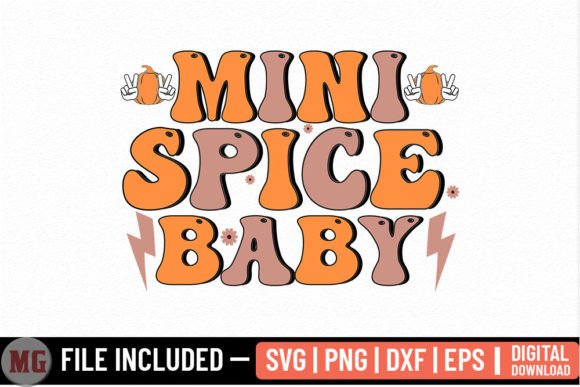
Mini Spice Baby - Fall SVG: A Designer's Review
As someone who spends most of their waking hours staring at digitized files and hooping fabric, I approach new design assets with a mix of excitement and skepticism. We have all been there: you download a cute file, load it onto your machine, and halfway through the stitch-out, you realize the density is too high for that fleece sweatshirt or the details are too fine for the hoop size you intended to use. That is why I took a close look at the Mini Spice Baby - Fall SVG before committing it to a client project. This isn't just about whether the image looks good on a screen; it is about how it translates into thread, how it holds up on textured fabric, and whether it adds genuine value to a handmade product.
My first impression of the Mini Spice Baby - Fall SVG was its charming simplicity. In the world of Crafts and Graphics, there is often a temptation to over-complicate autumn designs with excessive leaves, complex typography, and cluttered layouts. This file, however, feels restrained and sweet. The "spice baby" theme immediately evokes a cozy, nursery-ready mood, perfect for the upcoming holiday season. Visually, the layout suggests a design that relies on clean lines and balanced proportions rather than heavy fill areas. For an embroidery designer, this is a green flag. It means the file is likely versatile enough to work on everything from a delicate baby onesie to a sturdy canvas tote without looking out of place.
Real-World Application: The Autumn Boutique Collection
To truly test the viability of this embroidery file, I imagined a specific real-life scenario that many of us face every October: preparing a small batch of goods for a local craft fair or updating an Etsy shop with seasonal items. Let's say I am producing a line of personalized fall gifts for new parents. The goal is to create a coordinated set including a muslin swaddle, a structured toddler cap, and a kitchen tea towel.
The Mini Spice Baby - Fall SVG fits naturally into this collection. Because the design appears to have a friendly, rounded aesthetic, it works exceptionally well as a baby embroidery motif. When I visualize this stitched onto a soft, heather-grey sweatshirt using a warm terracotta or mustard yellow thread, the result feels premium. It avoids the childish cartoonishness that sometimes limits the lifespan of a garment, leaning instead into a trendy, boutique style that appeals to modern parents. For an Etsy seller, this kind of versatility is crucial. You want a design that can be marketed as both a playful statement and a sophisticated decorative element.
In terms of custom apparel, this design shines on mid-weight fabrics. If I were running this as a sweatshirt embroidery job, the open spaces in the design would allow the fabric texture to breathe, preventing that stiff, cardboard-like feel that customers dislike. Similarly, as a tote bag design, it offers enough visual weight to stand out against canvas without requiring thousands of stitches that might distort the bag's shape over time.
Technical Considerations and Stitching Performance
While the visual appeal is strong, the practical execution is where a professional reviewer must be critical. Since the Mini Spice Baby - Fall SVG comes in vector formats like SVG, EPS, and DXF, along with a PNG, it is important to remember that these are cut files or graphics that need to be digitized for machine embroidery unless you are using them for appliqué or heat transfer. If you are converting this graphic into a machine embroidery design yourself, the simplicity of the source file is a double-edged sword. It gives you freedom, but it also places the responsibility of stitch type selection entirely on your shoulders.
If you are planning to use this as an applique design, the clean outlines make cutting fabric shapes straightforward. However, if you are digitizing it for direct stitching, pay close attention to stitch density. Small, detailed areas—like facial features or tiny spice jar labels if included in the variation—can easily become muddy if the fill stitch is too dense. I recommend testing a satin stitch border for defined edges and a lighter fill for larger areas to maintain clarity.
There are specific scenarios where caution is required. If you intend to place this on a curved surface like a cap, ensure the design width fits comfortably within the front panel without wrapping too far around the sides. Caps are unforgiving; a design that is too wide or has elements too close to the edge will look distorted once stitched. Furthermore, when working with stretchy fabrics like jersey knits for baby clothes, the stability of the design is paramount. Without the right stabilizer, even a simple design can pucker, ruining the finished product. Always hoop your stabilizer tightly and consider using a water-soluble topper if the fabric has a loose weave or high pile, like a towel.
Maximizing Value and Brand Consistency
For creative entrepreneurs and small shop product creators, the choice of design directly impacts brand perception. The Mini Spice Baby - Fall SVG offers a level of professionalism that boosts customer trust. A clean, well-executed embroidery job tells the buyer that care was taken in the creation process. This is especially true for personalized gift markets, where the emotional connection to the item is high. A sloppy stitch-out on a sentimental baby item can be devastating to a business's reputation, whereas a crisp, clear design encourages repeat buyers and positive reviews.
When considering commercial embroidery projects, think about how this design scales. Does it hold up when resized for a small embroidered patch? Can it be enlarged for a pillow cover without losing its charm? The vector nature of the included files (SVG, EPS, DXF) suggests excellent scalability for resizing before digitization, which is a significant advantage for creating a cohesive product line. Whether you are making holiday embroidery for decor or branding merchandise for a boutique, consistency in visual quality is key.
Final Verdict and Practical Tips
Before you commit to a full production run with the Mini Spice Baby - Fall SVG, here are my top recommendations for ensuring success:
- Test on Scrap Fabric First: Never skip the test stitch-out. Use the exact same fabric and stabilizer combination you plan to use for the final item to check for puckering or registration issues.
- Check Thread Contrast: This design likely relies on subtle color shifts. Ensure your thread colors provide enough contrast against the fabric background so the details don't get lost, especially in low light.
- Review Stitch Density: If digitizing yourself, keep the density moderate. High density can cause needle deflection and thread breaks, particularly on smaller hoops.
- Confirm Hoop Size: Measure the design dimensions against your available hoop sizes. Remember that the usable area is often smaller than the physical hoop size.
- Inspect Small Details: Zoom in on the digital file. Are there any stray nodes or tiny gaps that might cause stitching errors? Clean up the vector paths before importing them into your embroidery software.
- Mockup Testing: Create black and white mockups to see how the design reads without color. If it looks good in grayscale, it will look great in thread.
- Licensing Check: Although the files are described as "ready to use," always double-check the specific license terms regarding commercial sales. Ensure you are compliant when selling digital embroidery file derivatives or finished physical goods.
In conclusion, the Mini Spice Baby - Fall SVG is a solid contender for your autumn project lineup. It balances trendiness with timeless appeal, making it suitable for a wide range of applications from nursery decor to boutique branding. By approaching it with a critical eye toward fabric compatibility and stitch technique, you can transform this graphic into a high-quality embroidery project that delights customers and strengthens your brand. It is a reminder that in our industry, the best results come not just from downloading a file, but from understanding how that file interacts with the tangible world of thread and cloth.