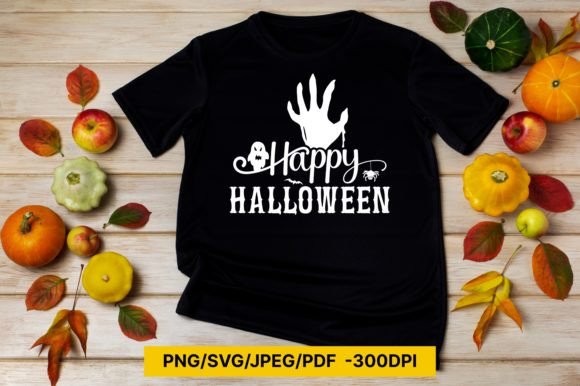
Reviewing Happy Halloween Sublimation PNG, SVG for Embroidery
As a designer who spends half my life digitizing and the other half stitching, I have learned that not every graphic is created equal when it hits the needle. We often see trends explode in the sublimation world—bright, high-resolution Graphics meant for mugs, shirts, and hard surfaces—and wonder if they translate well to thread. Recently, I evaluated the Happy Halloween Sublimation PNG ,SVG to see if it holds up as a viable asset for real-world Crafts and commercial embroidery projects. The verdict? It is a versatile starting point, but it requires a designer’s eye to bridge the gap between print and stitch.
First Impressions: Mood and Visual Personality
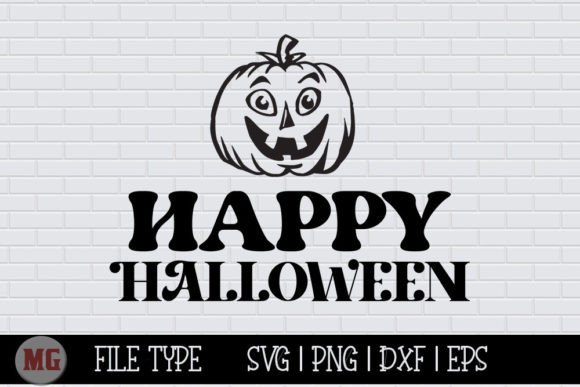
The first thing that strikes you about this design is its playful, approachable Halloween aesthetic. It avoids the overly gory or terrifying tropes, leaning instead into a whimsical vibe that works beautifully for family-friendly products. The layout is balanced, with clear shapes that suggest strong potential for conversion into an applique design or a dense fill stitch motif. For embroidery, clarity is king. If the lines are muddy in the source file, the stitch out will be messy. This design offers clean edges in its SVG format, which is crucial when you are tracing paths for satin stitch borders or defining cut lines for fabric appliques.
The mood is festive without being chaotic. This makes it an excellent candidate for boutique branding where you want to signal "seasonal" without screaming "costume party." It feels right at home on a cozy autumn tote or a child’s October birthday outfit. However, because it originates as a sublimation asset, the color gradients and subtle shadows present in the PNG must be interpreted carefully. Thread cannot replicate a soft digital fade; it relies on solid thread colors and strategic blending. You will need to simplify the palette to ensure the design remains legible once stitched.
Real-World Application: From Screen to Stitch
I recently used a similar concept for a custom order involving a set of canvas tote bag design prototypes for a local farmer’s market vendor. The goal was to create a limited-edition October item. Using the Happy Halloween Sublimation PNG ,SVG as a visual reference, I digitized a version that utilized a combination of running stitch for fine details and heavier fill areas for the main characters. The result was striking. On the textured canvas, the bold shapes held their form, and the whimsical theme drove immediate engagement from customers looking for unique, handmade product options.
This design shines in scenarios where visibility is key. Consider sweatshirt embroidery. A dark heather grey hoodie provides the perfect backdrop for bright orange and purple threads derived from the original graphic’s palette. The contrast pops, making the design readable from a distance. It also works exceptionally well for embroidered patch creation. Patches require dense stitching and clear borders to prevent fraying, and the distinct outlines in this SVG allow for precise merrowed edges or satin borders that define the shape sharply against any background fabric.
For Etsy seller communities and small shop product lines, versatility is revenue. This asset can be scaled down for baby embroidery on onesies, provided you reduce the stitch count and simplify the details to prevent puckering on delicate knits. Conversely, it can be enlarged for pillow covers or wall hangings, where the larger hoop size allows for more intricate texture work within the fill areas. It is a strong contender for holiday embroidery collections that aim to appeal to a broad demographic, from young parents to holiday decor enthusiasts.
Navigating Technical Challenges and Fabric Constraints
While the design is visually appealing, applying a sublimation-oriented graphic to embroidery requires technical caution. Sublimation designs often rely on fine lines and complex color blends that do not translate directly to thread. If you attempt to stitch every detail of the PNG at full resolution, you will end up with an overly dense, stiff finished product that may pucker or distort the fabric. This is particularly risky on stretchy materials like jersey knits or thin fabrics like silk blends.
When working with curved surfaces, such as caps or hats, the design’s width becomes a critical factor. You must confirm the hoop size compatibility before digitizing. If the design is too wide for a standard cap frame, you will need to crop or redesign elements to fit the curvature without distortion. Additionally, tiny lettering or intricate corners in the original SVG can become lost in stitching. I recommend simplifying these areas, perhaps replacing small text with a simpler font or removing non-essential decorative elements to maintain stitch density balance.
Dark fabrics present another challenge. If the original design has light elements, you cannot simply stitch white thread over black fabric and expect it to pop without a proper underlay. You may need to use a white stabilizer or a layer of white fabric applique beneath the colored threads to ensure brightness and coverage. Always test the design on scrap fabric first. Check how the stabilizer interacts with your chosen material. A heavy cut-away stabilizer might be necessary for dense areas to prevent the garment from twisting after washing.
Enhancing Brand Value and Customer Trust
Using high-quality assets like the Happy Halloween Sublimation PNG ,SVG correctly can significantly elevate your brand perception. Customers associate crisp, well-executed embroidery with professionalism. When a personalized gift arrives with clean stitches and no loose threads, it builds trust. This design, when properly digitized, contributes to that sense of quality. It shows that you care about the details, from the choice of thread colors to the neatness of the backside stitching.
For those creating printable mockup assets or digital previews for their online stores, the high-resolution PNG included in the package is invaluable. It allows you to showcase the design’s potential on various products before you even stitch a single thread. This helps in gauging customer interest and refining your marketing strategy. However, remember that a mockup is not a substitute for a physical sample. Always produce a physical prototype to verify that the embroidery file behaves as expected on the actual fabric texture you intend to sell.
Practical Notes for the Professional Designer
Before you commit to a large production run or list this as a new item in your craft business, take these practical steps. First, inspect the license terms. While the product description mentions usage for t-shirts, mugs, and bags, always confirm whether the license covers commercial embroidery sales or if it is restricted to personal use. Intellectual property respect is vital for long-term success as a creative entrepreneur.
Second, digitize with intention. Do not auto-digitize the SVG. Manual editing allows you to control pull compensation, underlay structures, and stitch angles. This ensures the design lays flat and looks professional. Third, consider the end-user experience. If this is for a custom apparel item that will be washed frequently, ensure the stitch density is not so high that it compromises the fabric’s integrity over time. Use softer threads for baby items and durable polyester for outdoor gear like tote bags.
Finally, keep your design assets organized. Save your digitized versions alongside the original PNG and SVG files. This creates a library of tested, reliable patterns that you can return to season after season. The Happy Halloween Sublimation PNG ,SVG is a strong addition to any designer’s toolkit, offering a blend of festive charm and structural simplicity that, with careful handling, translates beautifully into tangible, sellable art.