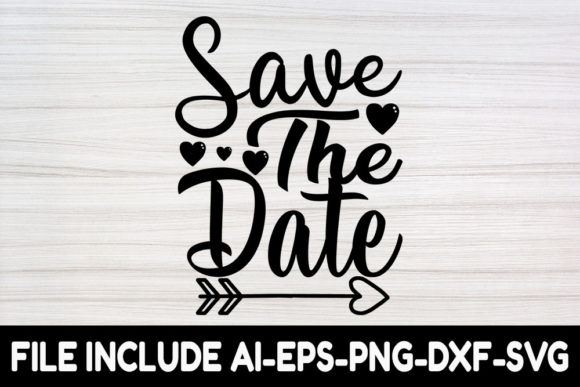
Wedding SVG Design, Save the Date Review
As a designer who spends more time hooped up at the machine than away from it, I approach every new digital embroidery file with a mix of excitement and skepticism. We have all been there: you download a beautiful graphic, only to find out it falls apart the moment the needle hits the fabric. Today, I am taking a close look at the Wedding SVG Design, Save the Date. This isn't just about whether the lines look pretty on a screen; it is about how this asset translates into a tangible, high-quality handmade product that you can sell or gift with confidence.
When I first unzipped the package, I was pleased to see the variety of formats included. You receive one file each in SVG, PNG, EPS, and DXF. For those of us running modern cutting machines or importing vectors into embroidery software for digitizing, having the SVG and EPS options is crucial. The PNG serves well for quick mockups, while the DXF is a reliable backup for older plotters. However, since this is listed under Crafts and Graphics, it is important to clarify immediately: these are vector graphics, not pre-digitized stitch files. If you are an Etsy seller or a craft business owner, you will need to digitize these vectors yourself or use them for heat transfer vinyl (HTV) applications unless you have access to auto-digitizing software.
First Impressions and Visual Personality
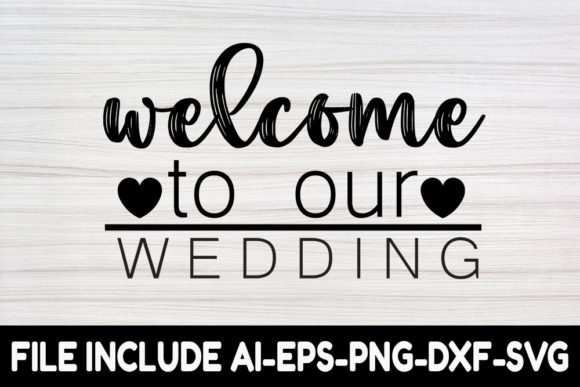
The mood of the Wedding SVG Design, Save the Date is elegant and understated. In the world of wedding merchandise, less is often more. Couples today are leaning towards minimalist aesthetics, and this design captures that vibe perfectly. The layout feels balanced, with a visual personality that suggests sophistication without being overly ornate. When evaluating a design for real project use, I always look at the flow of the lines. Are there sharp, jagged corners that will cause thread breaks? Is the spacing tight enough to look professional but loose enough to prevent bird nesting?
For a machine embroidery design derived from this graphic, the simplicity is a double-edged sword. On one hand, clean lines mean fewer jump stitches and a faster run time. On the other hand, simple designs leave no room for error. Every wobble in your stitching or slight misalignment in your hoop will be visible. This design demands precision. It feels like it belongs on high-end items where the fabric quality matches the design's refinement.
Real-World Application: The Custom Tote Scenario
To truly test the viability of this asset, I imagined a specific real-life scenario: creating a set of custom tote bags for a bridal party. Imagine a bride wanting "Save the Date" bags filled with local treats for her guests. Using the Wedding SVG Design, Save the Date as a guide for an applique design or a dense satin stitch outline would be stunning here. Canvas tote bags provide a stable, non-stretchy surface that handles detailed work well.
If I were to digitize this for a tote bag design, I would focus on using a bold satin stitch for the text elements to ensure readability from a distance. The graphical elements could be filled with a light fill stitch to add texture without adding excessive bulk. The result would be a finished product that feels expensive and thoughtful. Customers reacting to this would likely appreciate the personal touch, seeing it not just as a bag, but as a keepsake from the event. For an apparel decorator, this kind of application builds trust and encourages repeat business.
Navigating Fabric Challenges and Hoop Sizes
While the design is versatile, context matters. Where should you use caution? If you are planning to apply this to a stretchy fabric like a jersey knit sweatshirt embroidery project, you must be vigilant. Without the proper stabilizer, the clean lines of the Wedding SVG Design, Save the Date could pucker, distorting the message. I always recommend testing on scrap fabric first, especially when working with textured fabrics or dark backgrounds where thread contrast is critical.
Consider the hoop size constraints. If you are adapting this for a cap or a small pocket on a baby onesie, ensure the scaling does not make the text illegible. Tiny lettering is the enemy of durability. If the design is shrunk too much for a baby embroidery project, the stitch density might become too high for the small area, leading to thread breaks or a stiff, uncomfortable patch on the garment. For curved surfaces like caps, the centering must be perfect, or the elegant flow of the design will look off-balance once stitched.
Enhancing Product Value and Brand Consistency
Using a cohesive graphic like this across your small shop product line can significantly boost brand consistency. Whether you are making pillow covers, tea towels, or aprons, maintaining the same visual language helps customers recognize your work. A well-executed embroidered patch featuring this design can elevate a plain jacket into a boutique item. The visual appeal directly impacts the perceived value; a crisp, clean stitch job tells the buyer that care was taken, fostering customer trust.
For those creating printable mockups or digital previews for their online stores, the included PNG and SVG files are invaluable. They allow you to showcase exactly what the final item will look like before a single thread is cut. This transparency increases buyer engagement and reduces the likelihood of returns due to mismatched expectations.
Practical Notes for the Professional Maker
Before you commit to a production run of fifty units, take these practical steps. First, verify the licensing terms. Just because you bought the file does not automatically grant unlimited commercial rights for every type of sale. Confirm whether you can sell the physical custom apparel or if there are restrictions on the number of items. Second, check your thread colors against the fabric. A light gray thread on a white towel might look chic on screen but disappear in person. Test your design in black and white mockups to ensure the contrast holds up.
Finally, remember that this is a graphic asset. To turn it into a functional embroidery project, you need to understand stitch types. Will you use a running stitch for a delicate outline, or a wide satin column for impact? The choice defines the character of the final piece. If you are new to digitizing, start with a larger scale to master the tension and density settings.
In conclusion, the Wedding SVG Design, Save the Date is a solid foundation for creative entrepreneurs. It offers the flexibility needed for various holiday embroidery gifts, wedding favors, or boutique branding. With careful attention to fabric choice, stabilization, and digitizing technique, this design can transform simple materials into cherished heirlooms. It is a tool that, when used with skill and intention, supports the creation of professional, market-ready goods that stand out in a crowded marketplace.